Do I Need an AAV or Just a Sanitary Tee for Venting?
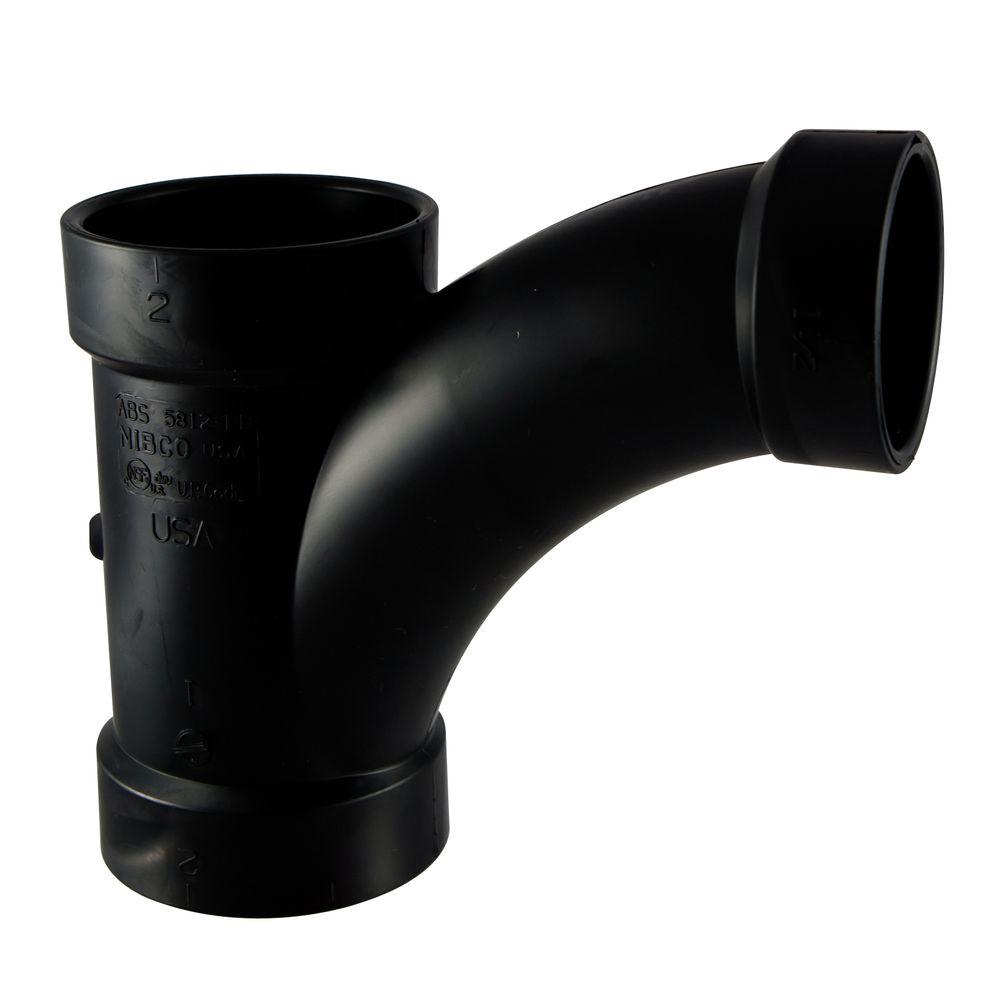
If you’re finishing your basement bathroom and considering venting options, you might be wondering whether to use an Air Admittance Valve (AAV) or if a simple sanitary tee will do. Let’s clear up the confusion and walk through the proper venting process.
Q: Do I need to use an AAV under the vanity, or is a sanitary tee enough?
A: You do not need an AAV if you are installing a proper vent through the roof.
Here’s what you should know about your current setup:
-
Sanitary Tee and Venting:
-
In your case, you’ve installed a sanitary tee and left the top open. The idea is to extend the top of the tee and leave it open inside the wall cavity.
-
This method can work if you have access to the roof and can run a vent pipe that exits the house above the roofline. It allows air to flow in and out of the system, preventing vacuum buildup.
-
-
Removing the Cap from the 2” PVC Pipe:
-
If the 2” PVC pipe from the concrete floor is capped, it’s likely a vent pipe that needs to be connected to the rest of your venting system.
-
Remove the cap, install the sanitary tee, and extend the vent pipe through the top of the wall cavity, making sure it runs up to the roof.
-
-
Why Not Use an AAV?
-
An AAV is a good option if you can’t vent through the roof or if the venting system is difficult to install. However, if you can connect to a roof vent or through an exterior wall, the sanitary tee system is a better long-term solution.
-
-
Why the Top PVC Pipe Isn’t Glued:
-
If the top PVC pipe is not glued, it’s a safety measure. This allows you to adjust it if necessary. Once the system is correctly aligned, you can glue the pipe and cap it.
-
Conclusion
Your current setup with the sanitary tee is correct as long as you’re planning to vent the system properly through the roof. If venting through the roof isn’t possible, an AAV can be a good alternative under the vanity. If you’re unsure, consult with a professional plumber to make sure the system will work effectively.
For more plumbing tips and advice, visit Plumbing 101.
I’m Chris Mayer, writing for Plumbing 101.