Question:
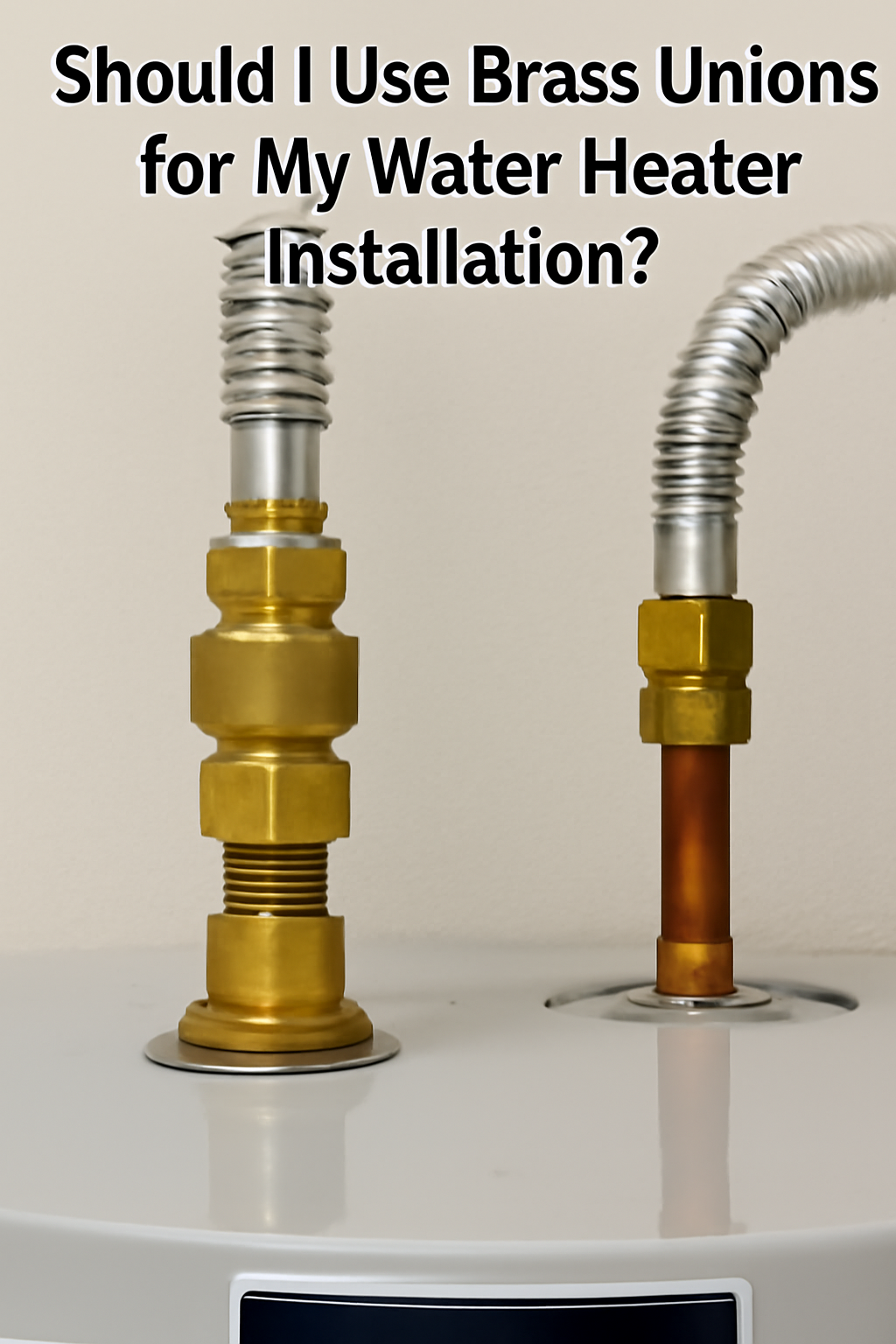
I’m installing a new 50-gallon Bradford White gas water heater. The heater has typical dielectric steel nipples with heat savers. I’ve heard of issues with steel and brass dielectric unions. I was thinking about using solid brass non-dielectric pipe unions threaded onto the tank’s steel nipples, then adding a 6-inch brass nipple and stainless flex lines to connect to the copper hot and cold lines. Should I use these non-dielectric brass unions, or do I need to stick with dielectric unions?
Answer:
When installing a water heater, it’s important to prevent potential corrosion between dissimilar metals. Using dielectric unions is the safest choice because they prevent electrolysis, which can cause corrosion when copper and steel are connected. These unions are designed to separate metals to avoid corrosion from the electrochemical reaction.
However, if you choose to use non-dielectric unions, like brass unions, you must be mindful of how metals are connected. Brass, copper, and steel should not come into direct contact without a dielectric barrier because of the risk of galvanic corrosion.
To ensure your system is as reliable as possible, it’s recommended to use dielectric unions in your installation. They protect the metal connections and extend the life of your water heater. The idea of adding stainless flex lines and brass nipples is fine, but make sure the unions are dielectric to prevent future problems.
In conclusion, dielectric unions are your best bet for a long-lasting, trouble-free installation.
For more tips on plumbing and water heater installation, check out Plumbing 101.